
Tyre basics: What you need to know for road safety
Last updated on 18 February, 2026


What are the different types of car tyres?
Car tyres come in various types, each designed for specific driving conditions and needs.
- Highway terrain (HT) tyres suit paved roads, offering a smooth and quiet drive.
- All terrain (AT) tyres handle both on-road and off-road driving.
- Mud terrain (MT) tyres tackle off-road adventures, handling mud and rocks with ease.
- All season tyres perform well in most weather, but not extreme conditions.
- Summer or performance tyres have great grip and handling on dry roads, ideal for driving in warm weather.
- Winter or snow tyres manage icy and snowy roads, with excellent traction in cold weather.
- Run-flat tyres let you keep driving for a short distance after a puncture, adding safety and convenience.
- Low rolling resistance tyres help save fuel by reducing energy loss, making them a smart choice for eco-friendly drivers.
If you’re unsure of the correct tyre for your drive, ask a qualified tyre specialist or mechanic.

Sidewall markings and tyre size explained
Have you ever noticed those numbers and letters on your tyres and wondered what they mean? Let’s decode them.
- When you look at a tyre from its side, the sidewall runs from the rim to the tread. It features branding and information about your tyres.
- The numbers on the sidewall tell you the tyre’s width, height, diameter, and maximum load rating. The letters reveal its type, construction, load rating, and speed rating.
- Manufacturing date codes show when your tyre was made – important for knowing when to replace them.
- Construction indicators give insights into how the tyre is built. Most passenger vehicles display R for radial.


How to choose the right tyres for your car
Choosing tyres for your vehicle is all about matching them to your needs. Answering these questions may help you tackle tyre choices.
- What’s your vehicle type?
Sedans, SUVs, and trucks need different tyres because they handle the road differently. - Where do you usually drive?
If you’re driving on rough tracks or off-road, you might need all-terrain tyres. - What’s the climate like?
Summer tyres suit warm areas. In winter, if the roads are icy or snowy, switch to winter tyres. - What do you want from your tyres?
Some drivers want a quiet ride, or sporty handling, or fuel savings.
What do speed ratings mean?
Speed ratings denote your tyres’ maximum safe speed under good driving conditions. Letters represent a specific speed. For example, H means the tyre can handle speeds up to 210 km per hour.
To find your tyres’ speed ratings and other details, check the following:
- the sidewall,
- the tyre placard in the driver door or
- the fuel filler flap.
Note that driving with tyres lower than the recommended speed rating is illegal. An incorrect speed rating may also affect your car insurance cover.
Tyres for Australian conditions
All-season tyres may handle most conditions well, but dedicated seasonal tyres offer top performance in specific weather. If winter brings frost or snow where you live or holiday, consider switching to winter tyres for better grip.
When you’re not using seasonal tyres, store them in a cool, dry place to help them last longer.
For Australian roads, choose tyres that suit the local climate and your driving style. This may help you enjoy a smooth ride all year round.
Heard about tyre technology?
Advances in tyre tech bring features that can help make driving safer and more enjoyable. Let’s explore some examples.
- Run-flat tyres can support your car’s weight during a puncture, keeping you safer. This means you won’t have to pull over straight away.
- Noise reduction technology can help minimise road noise, making your ride quieter and more comfortable.
- Fuel efficiency innovations can reduce rolling resistance, helping you save on fuel and cut down on emissions.
Australian tyre regulations
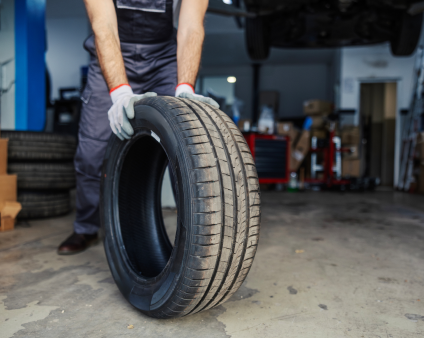
In Australia, there are specific legal requirements for tyres for road safety. Here’s a handy list of key points.
- Tread depth: maintain tread above the minimum legal tread depth of 1.5 mm.
- Tyre condition: check tyres are free from significant damage, such as cuts, cracks, or bulges.
- Matching tyres: use tyres of the same construction and similar size and type on the same axle.
- Inflation pressure: inflate tyres to the manufacturer's recommended pressure levels.
- Load rating: make sure tyres have an appropriate load rating for the vehicle.
- Speed rating: use tyres with a speed rating suitable for the vehicle's maximum speed capabilities.
When you take out car insurance you agree to keep your car in good condition. This includes using the correct tyres for your vehicle and maintaining them. Otherwise, if you need to make a claim, your insurance cover might not apply.
Knowing these tyre basics and choosing the right tyres can make your drive more comfortable and efficient. Remember, your tyres aren’t just car parts – they’re a key part of your safe driving experience.

Want to learn more about our Car Insurance?
Disclaimer
This article has been prepared by Allianz Australia Insurance Limited ABN 15 000 122 850 AFSL234708 ("Allianz"). In some cases, information has been provided to us by third parties and while that information is believed to be accurate and reliable, its accuracy is not guaranteed in any way.
Any opinions expressed constitute our views at the time of issue and are subject to change. Neither Allianz, nor its employees or directors give any warranty of accuracy or accept responsibility for any loss or liability incurred by you in respect of any error, omission or misrepresentation in this article.
Any advice here does not take into account your individual objectives, financial situation or needs. Terms, conditions, limits, and exclusions apply. Before making a decision about this insurance, consider the relevant Product Disclosure Statement (PDS)/Policy Wording and Supplementary PDS (if applicable). Where applicable, the PDS/Policy Wording, Supplementary PDS and Target Market Determination (TMD) for this insurance are available on this website. We do not provide any form of advice if you call us to enquire about or purchase a product.
Allianz Australia Insurance Limited ABN 15 000 122 850 AFS Licence No. 234708 is the insurer of any general insurance products offered, and Allianz Australia Life Insurance Limited ABN 27 076 033 782 AFS Licence No. 296559 is the insurer of any life insurance products offered. Each entity is responsible for any statements and representations made about its products, on this website.